
Our Sanctuary
A special local park
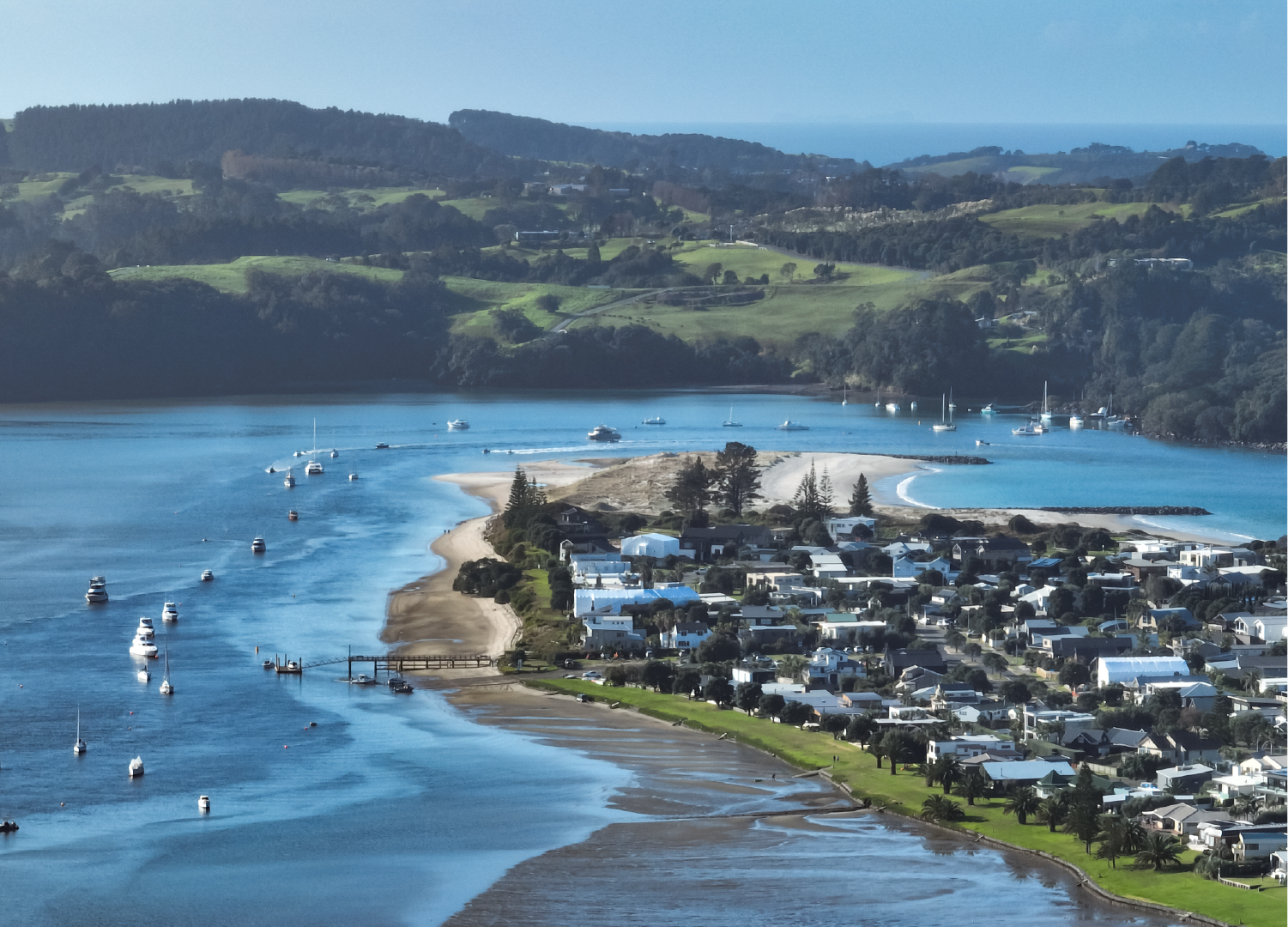
The Ōmaha Shorebird Sanctuary is located in the dunes at the northern tip of Ōmaha Spit. It is the only area in the catchment that can be made safe for shorebirds to nest and breed, and to find a place to rest at high tide.
The sanctuary is a local purpose reserve managed by Rodney Local Board on behalf of Auckland Council. The primary purpose of the reserve is wildlife protection, and the Rodney Local Parks Management Plan sets out the values, issues and intentions for future management.
Rodney Local Board manages over 300 local parks, and the Ōmaha Shorebird Sanctuary is unique within the portfolio – it is the only predator-fenced reserve with internationally significant wildlife values. The sanctuary and the harbour are part of the Omaha Sequence, one of Auckland Council’s Biodiversity Focus Areas.
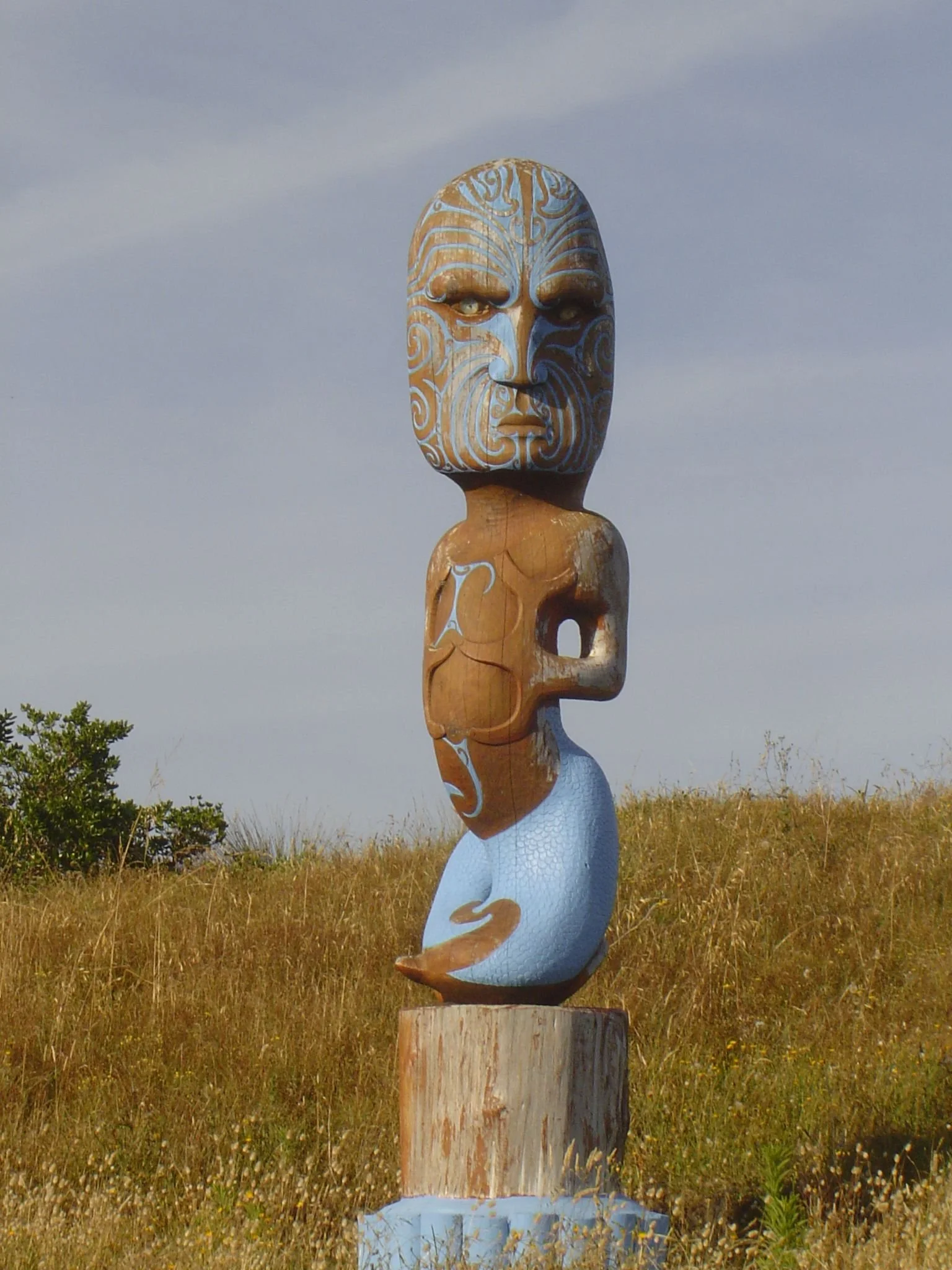
Photo credit: Denis O’Callahan
Whangateau Harbour
Beside the sanctuary lies Whangateau Harbour, one of the most pristine and highly valued estuaries on Auckland’s east coast. It is a shallow harbour with extensive intertidal flats providing the abundant food that makes this place so vital.
Cultural Connection
Ngāti Manuhiri are the local hapū and iwi holding mana whenua over this area, with deep traditional connection to the islands and coastline.
Ōmaha is aptly named, for it means ‘place of plenty’ in te reo Māori and it continues to provide a rich variety of food for the remaining bird life, as well as being a ‘place of pleasure’ for many thousands of visitors.
Ngāti Manuhiri created and gifted the carved pouwhenua along Ōmaha Beach, including Tangaroa, a kaitiaki (guardian) representing the god of the sea.
“Tangaroa surveys his sea domain, keeping watch over his tamariki (children). He petitions us to take up the challenge to protect the sea and all his children that reside within it.” (Source: plaque accompanying the Tangaroa carving at Ōmaha.)
Our Species
-
Northern New Zealand Dotterel, Variable Oystercatcher, Reef Heron, Pied Shag, Red-Billed Gulls, Southern Black-Backed Gulls, Spoonbills, White-faced Heron
-
Fairy Tern, Pied Stilt, Banded Dotterel, South Island Pied Oystercatcher, Wrybill, Caspian Tern.
-
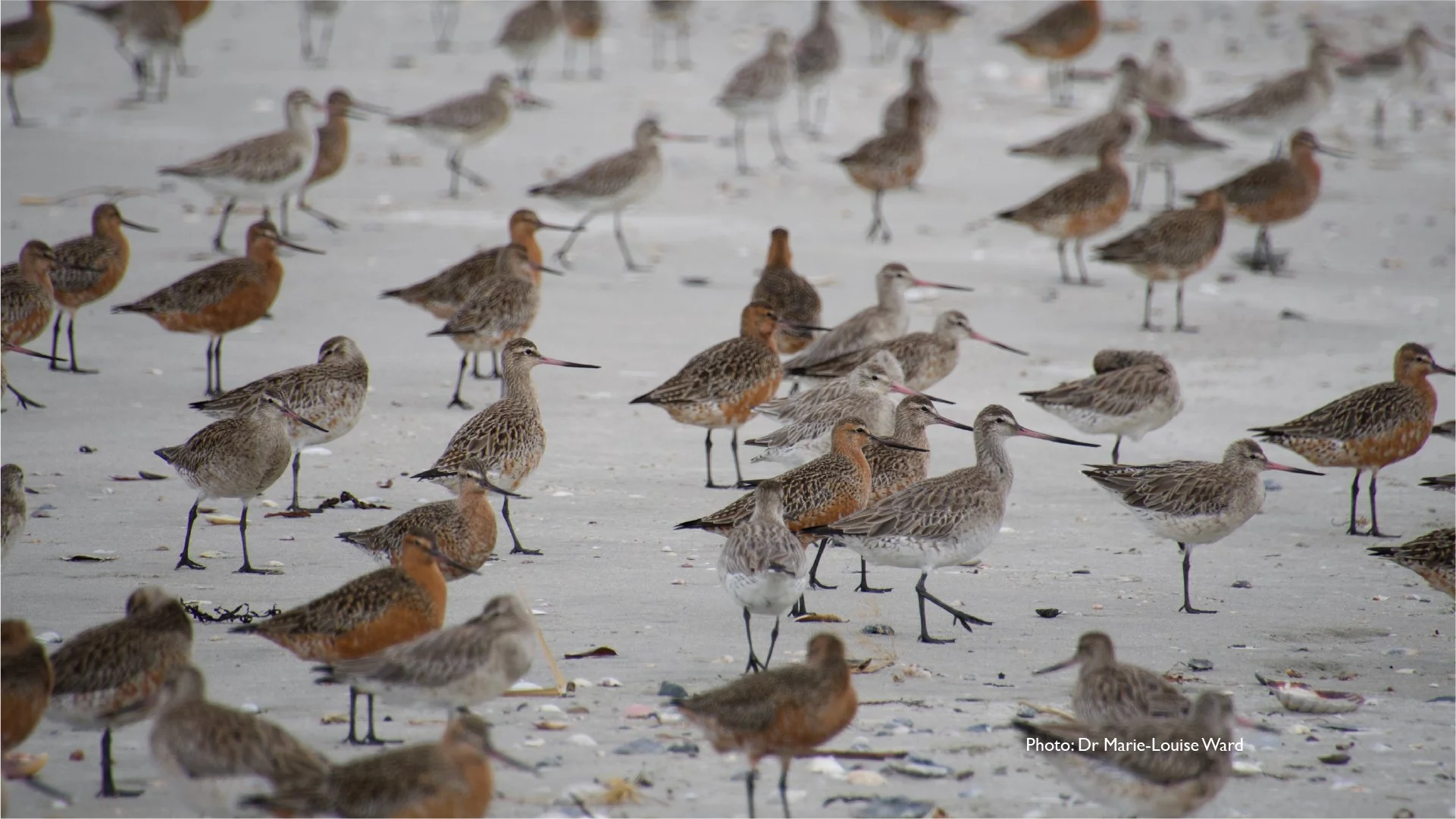
Bar-tailed Godwits.
Our Story
A sanctuary in the making
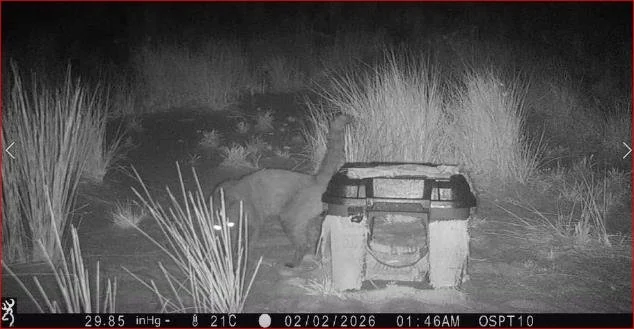
The sanctuary was created through council, conservation and community partnership — a powerful example of community conservation in action. Together we built the predator fence, restored habitat, and committed to protecting this nationally significant place. But a sanctuary is only a sanctuary when wildlife can truly thrive, and right now shorebirds are still being lost within the fence. The progress we’ve made is real, yet the work is unfinished. Rising visitor pressure, storm events and night-time cat intrusion mean chicks are not surviving and adults are being killed inside the sanctuary. The next chapter of community kaitiakitanga depends on all of us stepping up, collaborating, and taking the actions needed to make Ōmaha a safe haven once again.
Living up to the label
A sanctuary is defined as “an area that is designated for the protection of wild animals (refuge), where animals can breed without interference or danger”. Many people see the predator fence, notice the traps throughout the sanctuary and see volunteers in high-viz. It’s understandable to assume the sanctuary is working well and shorebirds are protected. The truth is different: chicks are not surviving, and adult birds are being killed inside the sanctuary.
Action is needed now to ensure this place lives up to its name. The three key threats are:
Exceptionally high human disturbance inside the sanctuary
Uncontrolled intrusion by cats hunting inside the sanctuary at night
Nests and eggs washed away by high tides and storm events
Cats inside at night
Purr-fect cats are safer inside at night. That’s one easy win for our vulnerable wildlife.
Spread to word
Tell family, friends and neighbours that Ōmaha shorebirds are not ok, they need our help.
Call for change
Contact park managers Rodney Local Board to take action to protect shorebirds at Ōmaha Shorebird Sanctuary.
Be a Good Visitor
Follow these simple guidelines to minimise disturbance to our shorebirds.
Bring binoculars to see the shorebirds from a distance.
Avoid visiting two hours before or after high tide. Birds are sleeping.
Use the middle entry gate (Walkway One) to enter and exit; don’t walk through and around the edge of the sanctuary. Birds are feeding.
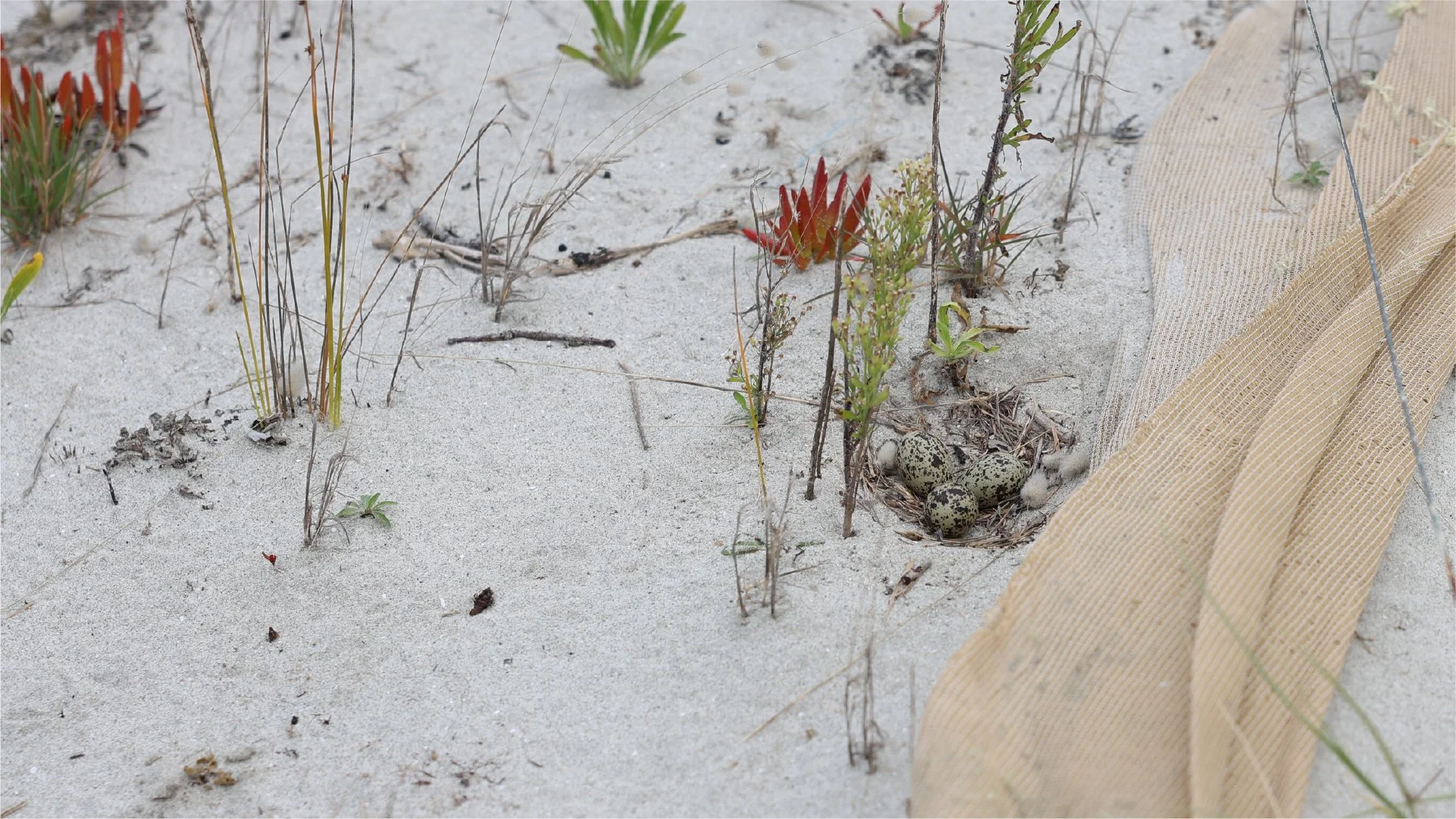
Stay at least 10 metres from taped breeding areas. Nests and eggs are there.
If you are on the beach, walk on the wet sand and keep moving; do not linger. Parents and chicks need to feed.
Picnics, swimming, sunbathing, jogging and surfing are activities for outside the sanctuary.
Go fishing from the groynes outside the sanctuary. Bait attracts black-backed gulls - a predator of breeding shorebirds.
No dogs allowed in the sanctuary.
If you spot an injured bird, please call
DOC: 0800 362 468 or BirdCare Aotearoa: 027 816 921
Respect the nap!
“I need a rest, I’ve been flying for 9 days!” - Godwits
Shorebirds rest at high tide. If they are constantly disturbed into flight before settling down again, they waste valuable energy and may not build up the reserves they need for their long migration.
Small disruptions have big consequences during the breeding season.
This sanctuary exists because people chose to protect it - and it will only survive if they keep doing so.